

As residents of Saint Paul, we’ve all noticed shifts in our local weather patterns over the years. These changes are not just anecdotal; they reflect broader climatic trends affecting our region.
Warmer Winters and Hotter Summers
Data indicates that Minnesota is experiencing warmer temperatures, particularly during winter months. Northern Minnesota has seen winter average minimum temperatures increase by 7.3°F from 1895 to 2021. This warming trend has led to shorter ice cover periods on our lakes, impacting winter recreation and local ecosystems. Source
Increased Precipitation and Flooding
Our state is also becoming wetter. Southern Minnesota has observed a significant rise in annual precipitation, leading to more frequent and intense storms. These heavy downpours have resulted in record-breaking floods, causing damage to infrastructure and natural resources. Source
Local Impacts in Saint Paul
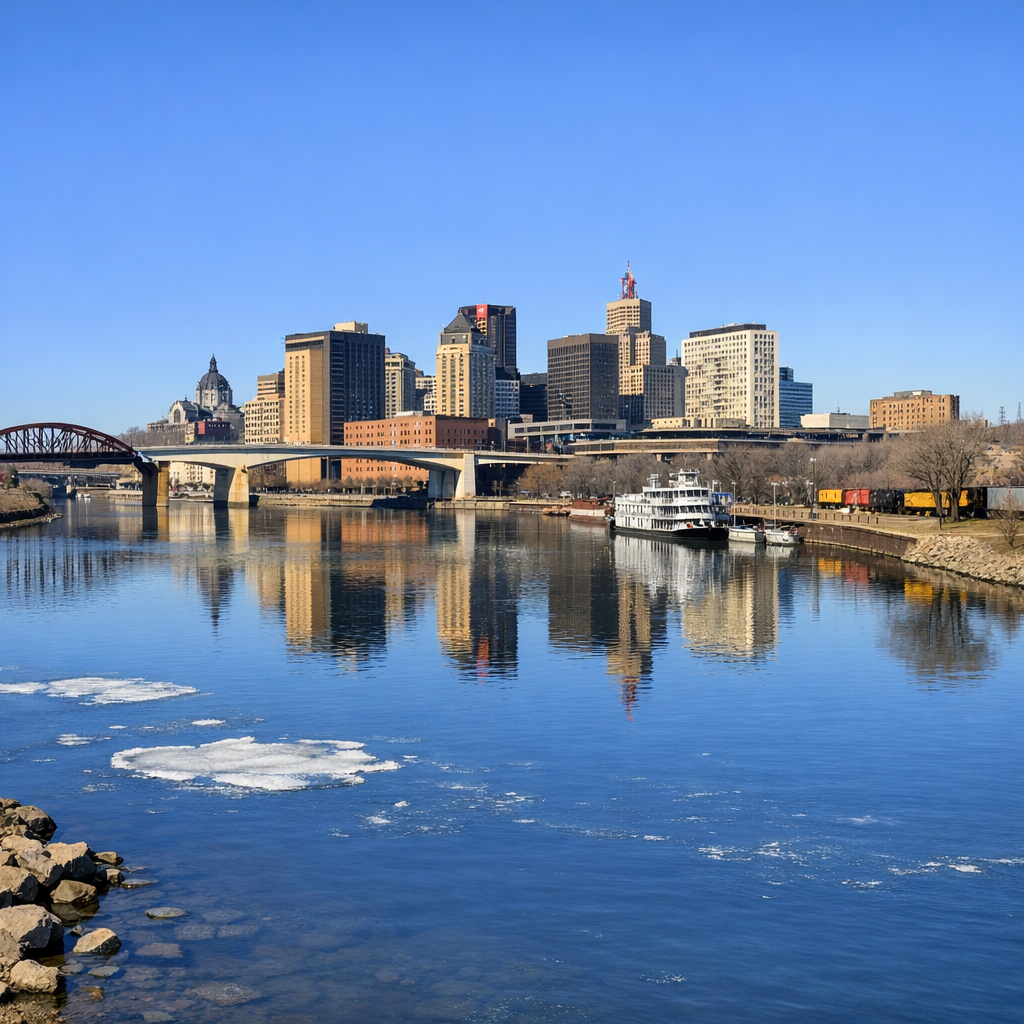
In Saint Paul, these climatic changes manifest in various ways. Warmer winters mean less ice on the Mississippi River, affecting both wildlife and recreational activities. Increased rainfall has led to urban flooding, challenging our city’s stormwater management systems. Additionally, hotter summers pose health risks, especially for vulnerable populations.
Community Response and Resilience
Recognizing these challenges, the City of Saint Paul has adopted a Climate Action and Resilience Plan aiming for carbon neutrality by 2050. The plan focuses on reducing emissions, enhancing green infrastructure, and preparing for climate impacts. Community involvement is crucial in these efforts, and residents are encouraged to participate in local initiatives and provide feedback on climate strategies. Source
Understanding these changes is the first step toward building a resilient community. By staying informed and engaged, we can collectively address the challenges posed by our evolving climate.