

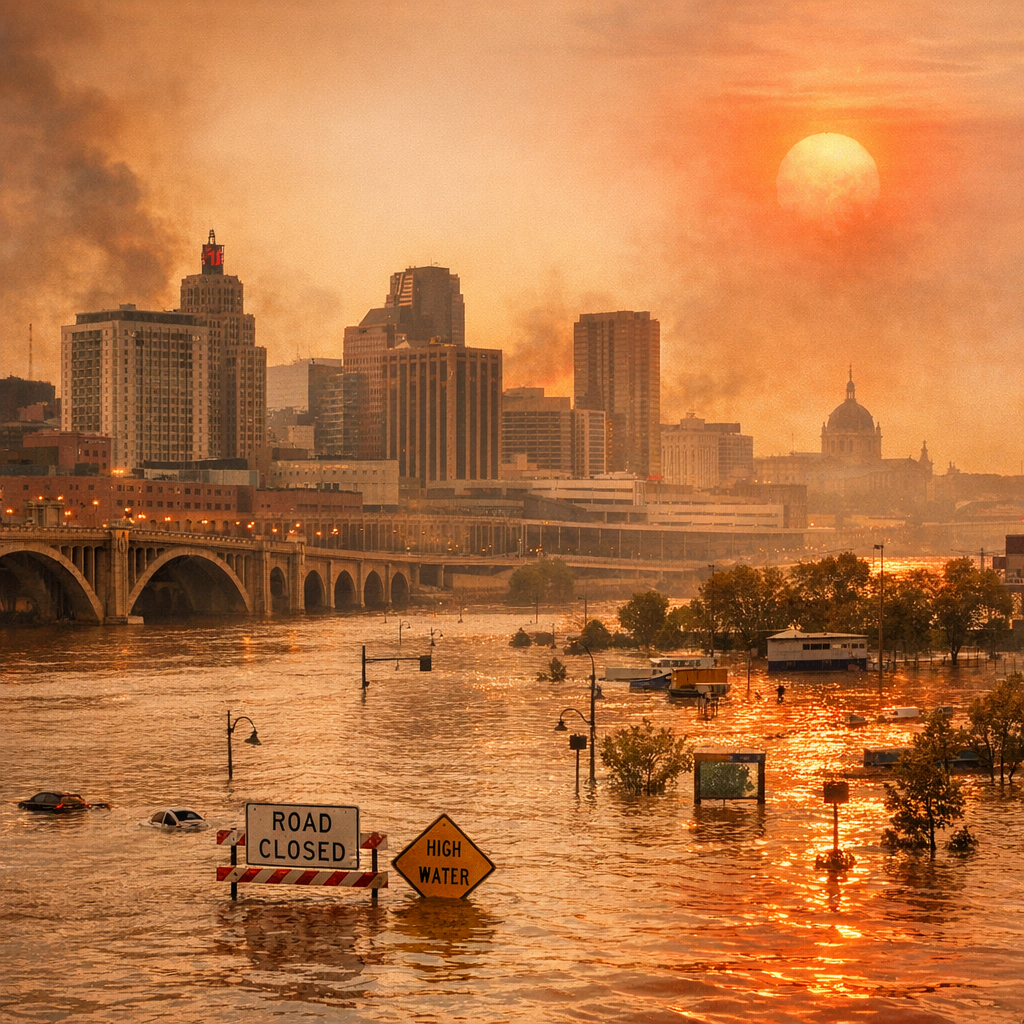
Climate change is no longer a distant concern; its effects are increasingly evident in our daily lives here in Saint Paul. From rising temperatures to more frequent extreme weather events, understanding these changes is crucial for our community’s resilience.
Rising Temperatures and Changing Precipitation
Over the past century, Minnesota has experienced a significant warming trend, particularly during winter months. This warming has led to shorter ice cover periods on our lakes and altered ecosystems. Additionally, we’ve seen an increase in heavy downpours, with extreme precipitation events becoming more common. These changes pose challenges to our infrastructure, agriculture, and natural resources.
Local Impacts on Health and Infrastructure
The health implications of a warming climate are profound. Extreme heat events can lead to heat-related illnesses, especially among vulnerable populations. Moreover, increased precipitation and flooding can strain our city’s infrastructure, leading to costly repairs and disruptions.
Saint Paul’s Climate Action and Resilience Plan
Recognizing these challenges, the City of Saint Paul has adopted a comprehensive Climate Action and Resilience Plan. This plan aims to achieve carbon neutrality in city operations by 2030 and citywide by 2050. Key initiatives include enhancing energy efficiency in buildings, expanding sustainable transportation options, and investing in green infrastructure.
Community Involvement and Moving Forward
Community engagement is at the heart of Saint Paul’s climate initiatives. The city has established the Climate Justice Advisory Board to ensure that climate actions are equitable and inclusive. Residents are encouraged to participate in updating the Climate Action and Resilience Plan, providing valuable insights and feedback.
As we navigate the realities of climate change, staying informed and involved is essential. By understanding the local impacts and supporting proactive measures, we can work together to build a resilient and sustainable Saint Paul for future generations.