

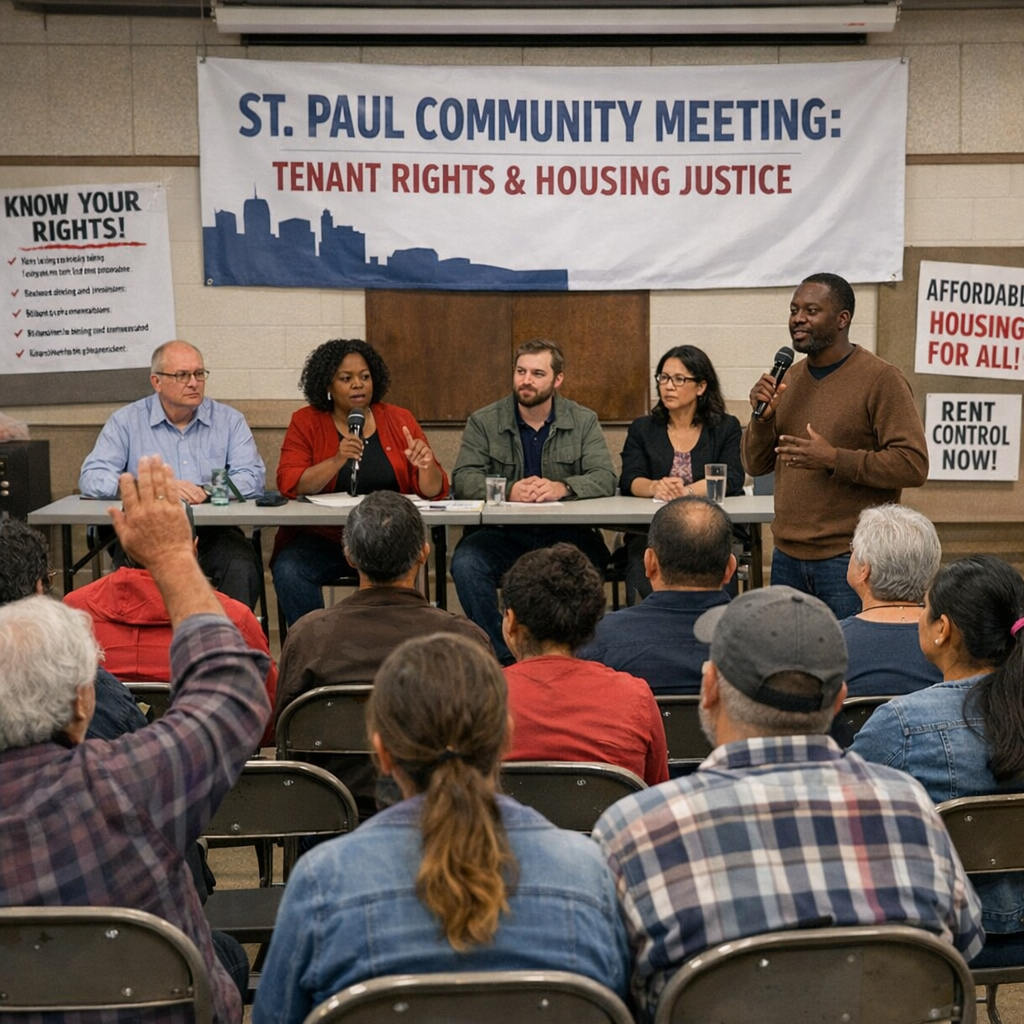
In response to persistent housing challenges, St. Paul residents and advocacy groups are intensifying efforts to strengthen tenant rights and improve living conditions across the city.
Right-to-Repair Initiative
Tenant rights advocates have launched the ‘Safe Homes Saint Paul’ campaign, aiming to place a ‘right-to-repair’ ordinance on the upcoming ballot. This proposed ordinance would empower renters to address unresolved maintenance issues directly, including making necessary repairs themselves under certain conditions. The initiative seeks to provide tenants with more autonomy and ensure timely maintenance of rental properties.
Addressing Housing Affordability
The city has been actively working to expand affordable housing options. Efforts include championing new affordable units in developments like the former Pioneer Press Building and West Side Flats. Additionally, the establishment of a permanent Housing Trust Fund and exploration of policy tools such as inclusionary zoning and community land trusts are underway to help more residents afford homes.
Combating Homelessness
To address the rising issue of unsheltered homelessness, St. Paul has partnered with Ramsey County, Catholic Charities, and the St. Paul Foundation to launch the Seasonal Safe Space—an emergency shelter that initially opened with 50 beds and has since expanded to 64. This initiative aims to provide immediate relief and support to those experiencing homelessness during critical times.
Community Engagement and Future Steps
Community members are encouraged to participate in upcoming public hearings and provide feedback on proposed housing policies. Engaging with local district councils and advocacy groups can amplify residents’ voices and influence future housing initiatives. As St. Paul continues to navigate its housing challenges, collaborative efforts between residents, advocacy groups, and city officials remain crucial in fostering a more equitable and livable community.