

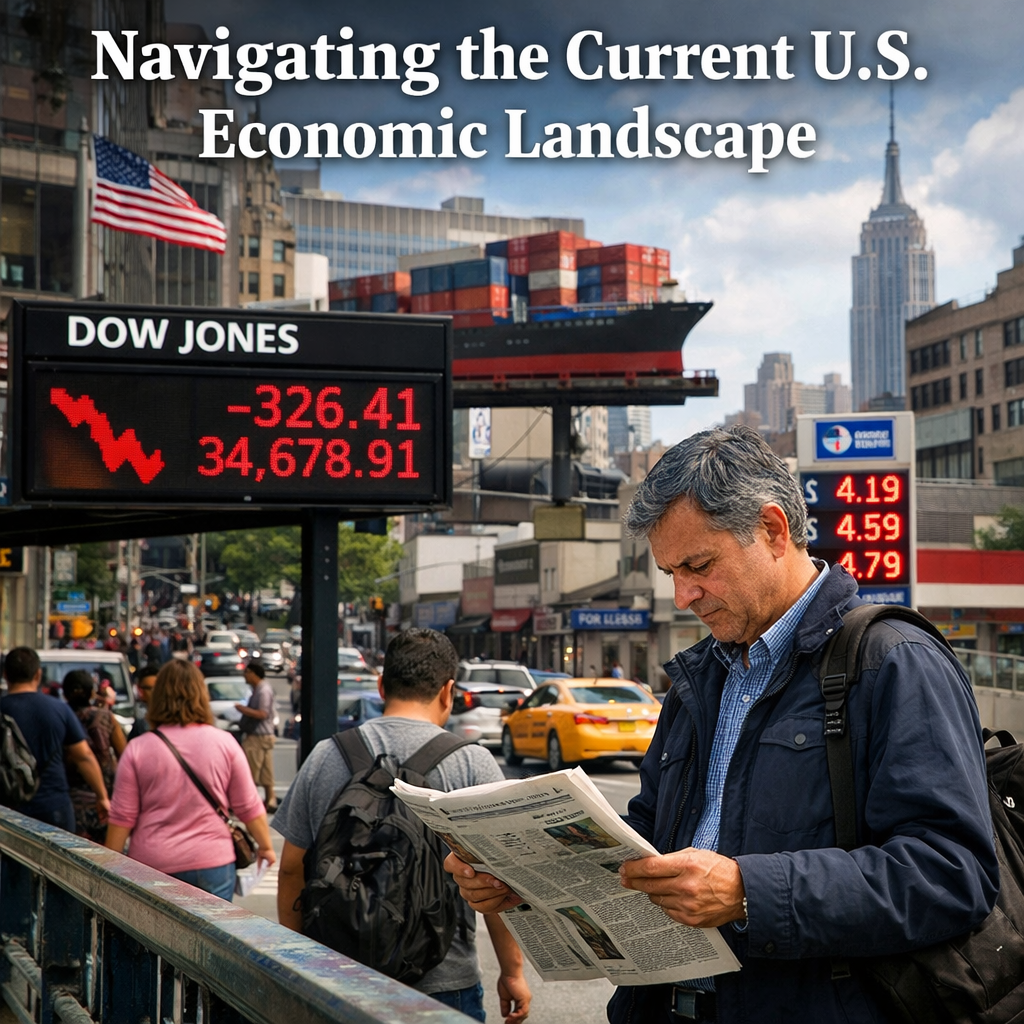
The U.S. economy is experiencing notable shifts, with inflation rates climbing and gas prices reaching new heights. A key inflation gauge rose by 0.7% in March, marking a 3.5% year-over-year increase—the highest in nearly three years. This surge is largely attributed to escalating gas prices, which averaged $4.39 per gallon and continued to rise, influenced by ongoing geopolitical tensions. Core inflation, excluding food and energy, also saw a 3.2% annual increase.
Despite these inflationary pressures, the economy demonstrated resilience, growing by 2% in the first quarter of 2026. This growth follows a sluggish end to 2025, which was impacted by a prolonged government shutdown. Consumer confidence edged slightly higher to 92.8 in April, though it remains at levels last seen during the COVID-19 pandemic.
In the labor market, unemployment claims fell to 189,000, reaching the lowest level in over 50 years. This indicates a robust job market, even as stock markets set new records, bolstered by strong earnings from major tech companies. However, the volatility in oil prices, driven by the conflict in Iran, continues to pose challenges.
For residents of Saint Paul, Minnesota, these national economic trends have tangible local impacts. Rising gas prices affect daily commutes and transportation costs, while inflation influences the affordability of goods and services. Staying informed about these developments is crucial for making informed financial decisions in our community.