
AI Enters the Classroom with Purpose
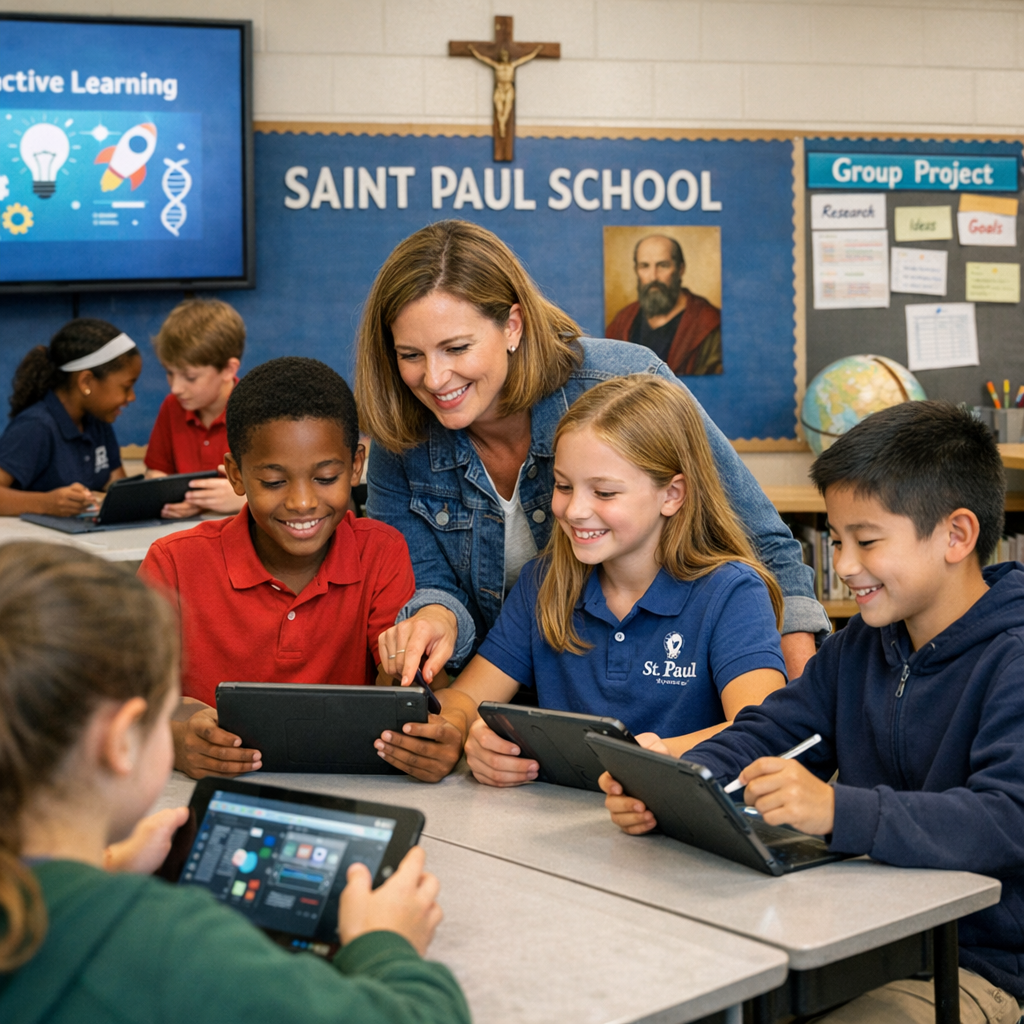
At Saint Paul Public Schools (SPPS), generative AI tools are being rolled out thoughtfully. The district provides guidelines and professional development so staff and students can use AI tools like essay draft helpers and reading-level adjusters responsibly. There’s emphasis on ethical use, accuracy, and inclusion in how these tools are woven into learning. SPPS aims to enhance teaching—not replace the necessary human touch. (Source: SPPS AI policy overview)
At Saint Paul College, policy is guiding AI integration. Faculty are asked to clearly define acceptable uses in course syllabi, protect privacy when choosing AI tools, and ensure transparency whenever AI significantly shapes content. The college considers both opportunity and potential bias in AI, recognizing that such tools carry ethical as well as instructional implications.
Startups, Equity, and New Tech Careers
Saint Paul’s growing AI startup scene includes companies like Sentera, which combine drones, sensors, and analytics to help farmers make faster, data-driven decisions; Spoonshot, working at the food-science intersection with AI to identify flavor trends; and CloudCover, which offers AI-driven security tools. These firms highlight how AI is applied to everything from agriculture to supply chain to protecting data.
At the same time, city-level initiatives are aiming to bridge gaps in who participates in tech. Saint Paul’s Tech For All initiative focuses on increasing access to tech education, offering programs for youth, women, and people of color. Whether through certificate programs, maker-spaces like Createch, or tech boot camps, there’s a push to make technology more inclusive.
Consequences Beyond Innovation
One often unseen effect of increased AI use is the growing demand for infrastructure—data centers, server space, and energy. In Saint Paul, city leaders are discussing “tech infill,” meaning converting underused downtown spaces into data centers or AI infrastructure, as a way to revitalize buildings, generate revenue, and keep property tax income flowing. The challenge lies in doing so without harming local neighborhoods or overburdening resources.
Digital literacy is also surfacing as a core concern. Events like community fairs in Saint Paul provide a space for residents to learn about using devices, navigating online tools, and understanding what AI can—and can’t—do. Public education is helping people keep up as technology quickly shifts.
What This Means for Residents
- Students: Use of AI becomes part of how people learn—but responsibility, transparency, and maintaining human interaction remain key.
- Workers: New kinds of jobs are emerging in AI development, analytics, infrastructure; not just for engineers, but project managers, ethics officers, and tech support.
- Families: Knowing how to use AI tools wisely—especially for kids’ learning, safety, and mental health—is increasingly important.
- Neighborhoods & City Planning: Demand for energy, land, and building reuse ties into AI’s growth; decisions made now will shape the physical and economic landscape of Saint Paul.