

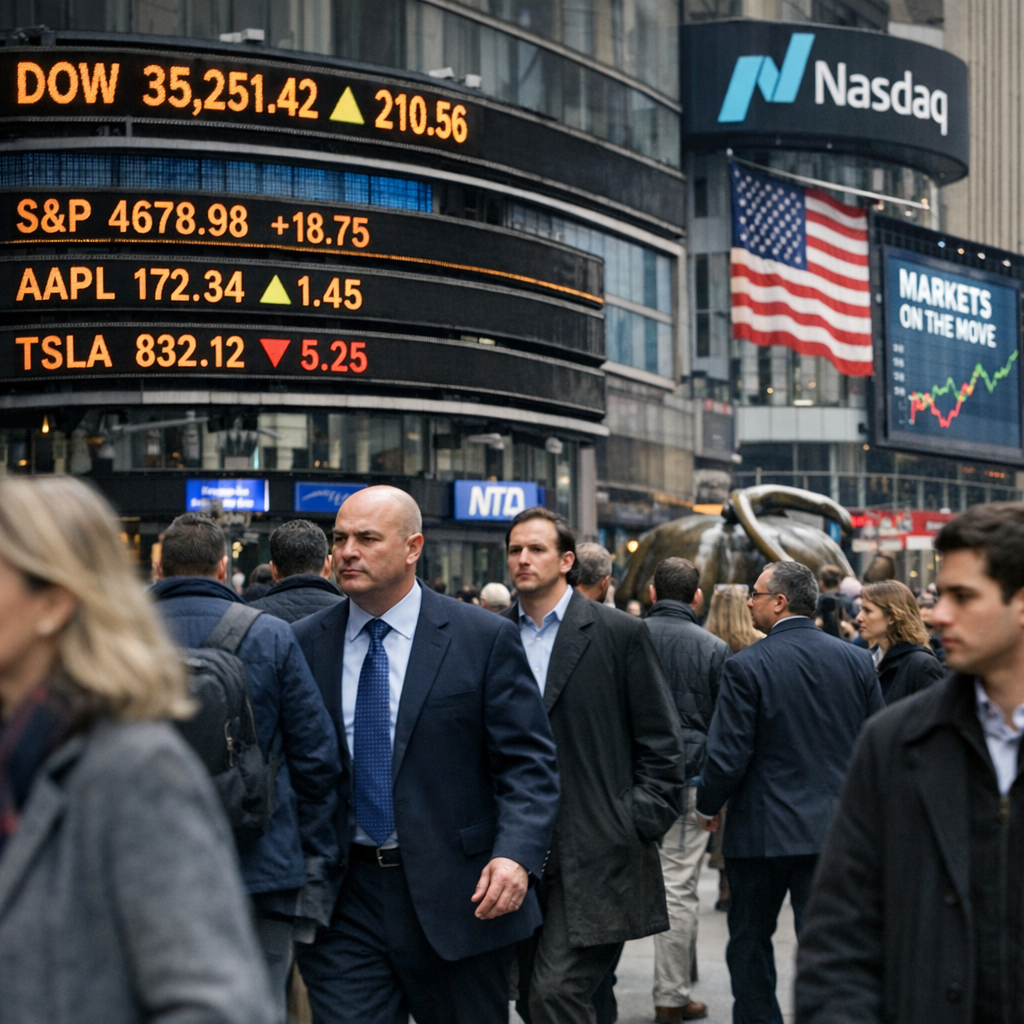
The U.S. economy is currently experiencing a period of moderate growth, with several key indicators providing insight into its health and trajectory.
Economic Growth and Employment
Recent data indicates that the economy is expanding, albeit at a slower pace than anticipated. The labor market continues to add jobs, reflecting resilience despite various challenges. However, long-term unemployment rates have shown a slight increase, suggesting that while many are finding employment, some sectors may still be struggling to recover fully.
Inflation and Consumer Prices
Inflation remains a focal point for both policymakers and consumers. While it has decreased from its peak levels, it persists above the Federal Reserve’s target rate. This sustained inflation affects purchasing power and can influence consumer behavior, potentially impacting overall economic growth.
Federal Reserve’s Monetary Policy
The Federal Reserve closely monitors these economic indicators to inform its decisions on interest rates. The current stance aims to balance fostering economic growth with controlling inflation. Adjustments to interest rates can have widespread effects, influencing everything from mortgage rates to business investments.
Trade Policies and Global Relations
Trade policies continue to play a significant role in the economic landscape. Recent tariff implementations have introduced uncertainties, affecting various industries and international relations. Businesses and consumers alike are navigating these changes, assessing their implications on supply chains and pricing.
Looking Ahead
As the economy moves forward, staying informed about these factors is crucial. Understanding the interplay between employment trends, inflation, monetary policy, and trade relations will help individuals and businesses make informed decisions in an ever-evolving economic environment.